
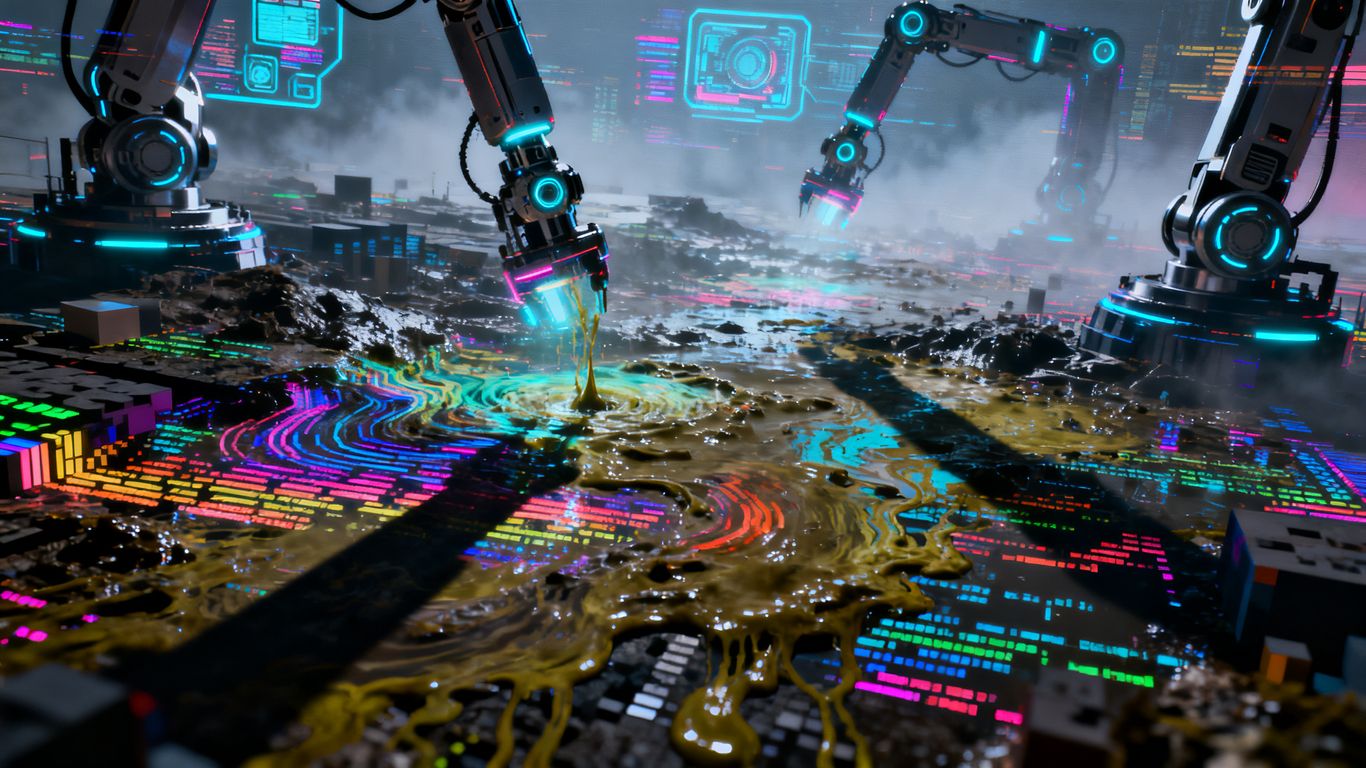

Top engineers at the forefront of artificial intelligence are warning about an emerging problem dubbed 'vibe slop'—a potential crisis of quality and oversight—as AI systems take over software development. Reports from leading AI labs such as Anthropic and OpenAI suggest that a majority of their coding work is now produced by AI, rapidly reshaping the profession and raising fresh questions about the future of software engineering.
Key Takeaways
- AI-generated code now dominates at leading labs, with some teams reporting up to 100% of code written by AI.
- The boom in AI-driven software creation is changing hiring practices and reducing demand for traditional coding jobs, particularly at entry level.
- Industry experts worry about quality issues and the risk of 'vibe slop', where AI-written code lacks intentionality and oversight.
The Rise Of AI-Written Code
At Anthropic, a trailblazer in AI systems, engineers reportedly let their own large language models do almost all the coding. Team leads boast of not having manually written code for months. Similarly, some at OpenAI claim to have fully delegated the task to machines, focusing instead on higher-level conceptual work. This radical shift has seen AI tools move from helpful assistants to being responsible for product-critical codebases.
While Anthropic's codebase is now majority AI-written, company-wide figures vary between 70% and 90%, according to spokespeople. Industry peers like Microsoft and Salesforce report more modest—but growing—levels of AI-generated software, in the region of 30%.
Changing The Nature Of Engineering Work
The impact is already rippling beyond Silicon Valley’s biggest AI labs. Traditional pathways into engineering are shifting, with fewer entry-level roles required as machines take over repetitive tasks. As the technology improves, management trends lean towards hiring generalists—people who can orchestrate AI tools, rather than write intricate code themselves.
Some see this as a liberating force, freeing engineers from tedious details and allowing more focus on creativity and problem-solving. Rapid prototyping is now possible, with ideas turned into products at extraordinary speed by leveraging AI to handle the legwork.
The 'Vibe Slop' Dilemma
However, not all is rosy. The term 'vibe slop' has emerged within the tech community to describe the downsides of these advances: a risk that AI-generated code, while prolific, suffers from subtle errors, unnecessary complexity, or orphaned segments—issues that arise when oversight and intent are stripped away.
Developers and researchers note that, without careful supervision, these systems can produce outputs that appear functional but lack in-depth human touch or long-term maintainability. While leaders in the field remain optimistic that quality will rise as models improve, concerns persist about losing vital engineering skills and judgement.
Looking Ahead
The software engineering landscape is changing fast. As AI-powered tools continue learning and evolving, industry leaders predict an even greater shift towards fully automated development cycles—impacting who gets hired and what programming even means. Whether the balance can be found between speed, quality, and creativity in this new era remains to be seen.