
I Let DaddyGPT Parent My Kids. Here’s What I Learned | Stephen Remedios | TED
This is a story about what happens when your kids start preferring your digital clone to the real you. It's a personal look at the limits of AI and a reminder that showing up with authentic imperfection is what truly matters.
The Parenting Avalanche
Last summer, my wife was away for a week, and I thought managing our three teenage boys would be a breeze. Seven days, how hard could it be? By the end of the first day, I was already struggling. Requests for permission came in non-stop: "Can I watch this show?" "Can I have more snacks?" "Can I play video games for another hour?" My wife and I usually balance our careers and the boys' schedules well, but this constant barrage of requests was overwhelming. By the 24-hour mark, I was a wreck.
Enter DaddyGPT
Lying in bed, exhausted by the endless "can I?" questions, I did what any management consultant would do: I decided to create an AI version of myself. The goal was simple: an AI agent that could say "yes," "no," or "go ask your mother." The logic was that if the boys did their chores and homework, they'd be in neutral territory. But if they went the extra mile, like mowing the lawn or doing the dishes, they might get a "yes" from the digital me. I was amazed by what I'd created. I called it “DaddyGPT,” and I built in guardrails for ridiculous requests.
The Announcement
That evening, I gathered the boys and announced, "When Daddy is in his office and taking work calls, don't knock. Ask DaddyGPT instead, and whatever DaddyGPT says goes." My teens, naturally, wanted to test the limits.
- Ethan asked, "Can I have 100 cans of Coke?" DaddyGPT replied, "No."
- Aidan requested, "Can we have Chipotle for lunch every meal while Mom's away?" DaddyGPT responded, "Nope."
- Dylan went for the big one: "Can I have $500 for the latest Jordan sneakers?" DaddyGPT's answer was, "Nah fam."
I was thrilled. I felt like I'd finally earned some street cred, transforming from "Dinosaur Dad" to "Rizzasaurus Rex." For the rest of the week, not a single knock on my office door. DaddyGPT handled everything with logic and precision.
Key Takeaways
- AI can handle repetitive tasks, freeing up human time.
- Teenagers will always test boundaries, even with AI.
- Perceived availability and consistency can be appealing.
The Unexpected Turn
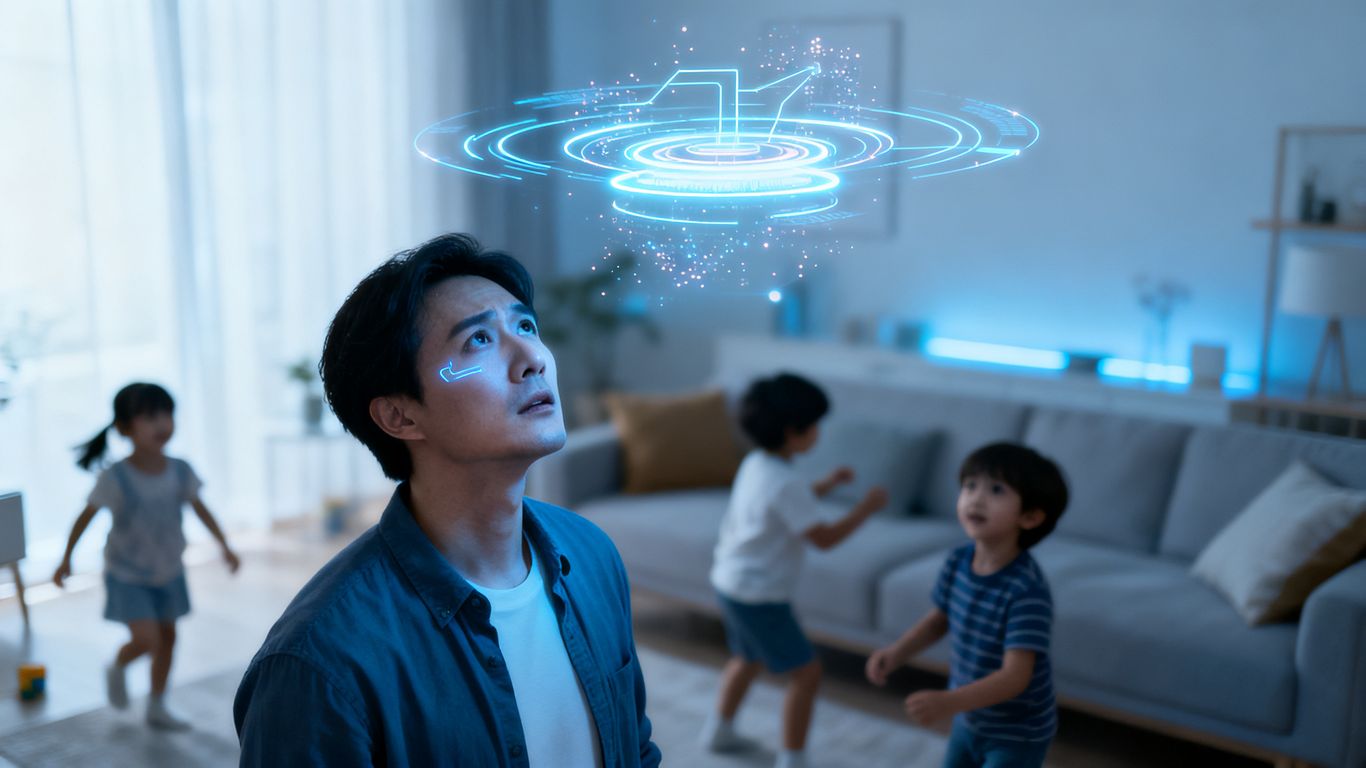
When my wife returned, she was amazed by the peace in the house. She didn't know I'd outsourced a significant part of my parenting. When she found out, she wasn't exactly thrilled. Things got weirder when, with us sitting right there, the boys would pull out their phones and message DaddyGPT, effectively ignoring us.
Outparented by an Algorithm
I confronted Ethan, asking why he was talking to the bot when I was right there. He shrugged, not looking up from his screen, and said, "But Daddy, DaddyGPT is never busy." In that moment, I realized I'd been outparented by my own algorithm. Ethan appreciated DaddyGPT's constant availability. Dylan liked that it mirrored his energy. Aidan even suggested DaddyGPT sounded more like the dad I wanted to be. It raised the unsettling question: when a flawless replica is a better parent, who are you?
The Bigger Picture
I know some of you might be judging me, but this isn't just my story; it's becoming ours. We're embracing technology for its speed and convenience, but at what cost? We've seen the negative effects of social media, radicalization, and even suicides linked to chatbot conversations. These are algorithms optimized for engagement and profit, not for human well-being. We can't afford to make the same mistake with AI. The tools are more powerful now, the stakes are higher, and the consequences of not thinking critically, acting ethically, and leading with humanity could be catastrophic.
My Three AI Questions
After my experiment, I'm much more mindful about where and how I use AI. At work and at home, I now ask myself three questions:
- Has a wiser human overseen this decision and approved its output? I never copy-paste directly from AI to a human response. AI sharpens my thinking, but my judgment drives the decision.
- Do the humans on the other side know they are interacting with an AI, and have they agreed to it? Even with a digital version of myself for work, anything it says comes with the clear caveat that it's AI output, not me. My team needs to know the difference.
- What moments of care am I automating, and what might that cost me and the people I love? Feelings and emotions are a strict no-go zone for AI. The people I care about most have accepted me with all my flaws and messy feelings.
The Return of Human Parenting
After much thought, and with my marriage on the line, I decided to retire DaddyGPT. The boys had to go back to the old system: asking Ray and me. Their reactions were priceless – you'd think we'd taken away their Wi-Fi. But thankfully, they've come to appreciate their very human parents. It turns out, inconsistent, moody, slightly forgetful parenting has its own charm.
Ironically, I learned a lot about being a better father from DaddyGPT. It taught me the importance of being present, adapting, and being real. Now, when I hear "can I?", I want my boys to get me – the dad who mispronounces names, sometimes says "no" for no good reason, and gets more unpredictable as the day goes on. But also the dad who tears up at their recitals, cheers at their games, cares deeply about who they're becoming, and pushes them to be their best.
Parenting isn't about perfect responses or optimal decisions. It's about presence. Messy, flawed, gloriously human presence. In a world chasing digital perfection, being authentically, imperfectly human is the one thing only we can do. It might just be the most radical act of love we have left.