
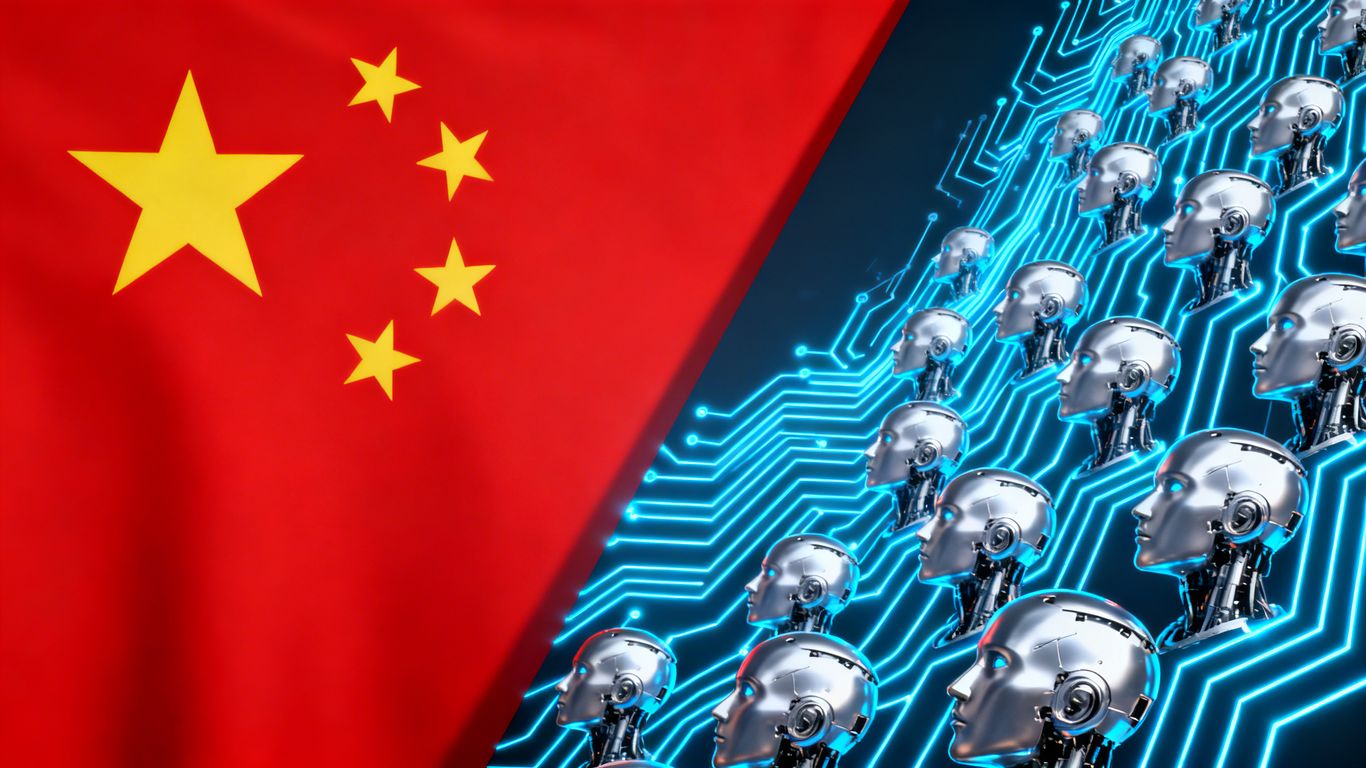

China's academic community is set to boycott a leading artificial intelligence conference, NeurIPS, after organisers implemented a ban on research papers from US-sanctioned entities. This decision by the Conference on Neural Information Processing Systems (NeurIPS) has ignited a significant dispute, escalating US-China tensions in the critical field of AI.
Key Takeaways
- China's Computer Federation (CCF) has urged a boycott of the NeurIPS conference.
- The ban affects submissions from institutions on the US sanctions list, including major Chinese tech firms.
- The CCF views the ban as a politicisation of academic exchange, violating core principles.
- This move could fragment the global AI research community and impact collaboration.
Widening AI Rift
The China Computer Federation (CCF) has strongly opposed NeurIPS's decision to bar submissions from individuals affiliated with sanctioned entities. The CCF stated that such a ban violates the fundamental principles of academic exchange, including openness, inclusiveness, equality, and cooperation. NeurIPS, often considered the world's premier AI conference, is a crucial platform for presenting cutting-edge research and a key battleground for AI talent recruitment.
Impact on Chinese Tech Giants and Researchers
Leading Chinese technology groups such as Huawei Technologies, China Telecom, and China Unicom are among those affected by the new rule. The NeurIPS Foundation has stated it cannot provide services, including peer review and publication, to individuals representing sanctioned entities, citing compliance with US sanctions. This policy change has led some prominent Chinese researchers to announce they will refuse to serve as reviewers for the upcoming event.
Potential Consequences for Global AI Collaboration
The CCF has indicated it may remove NeurIPS from its directory of recommended international academic conferences if the restrictions are not reversed. This directory holds significant influence in China, affecting how researchers and institutions are evaluated for jobs, funding, and prestige. Experts warn that such geopolitical pressures could lead to a fragmentation of the AI research community, potentially slowing scientific discovery and bifurcating research ecosystems along geopolitical lines. The situation echoes past disputes, such as one involving the IEEE and Huawei, where collective action by Chinese professional bodies pushed back against perceived politically motivated restrictions.
Navigating Geopolitics and Science
The dispute underscores the increasing intersection of geopolitics and artificial intelligence. AI is recognised not only as an academic discipline but also as a domain of immense economic, social, and military significance. The CCF's response is seen as an effort to protect its research talent, assert sovereignty in scientific discourse, and signal the political sensitivities surrounding technology engagement. The NeurIPS Foundation is reportedly consulting legal counsel to understand its legal constraints while exploring ways to reconcile compliance with US law and the expectations of the international AI research community.