
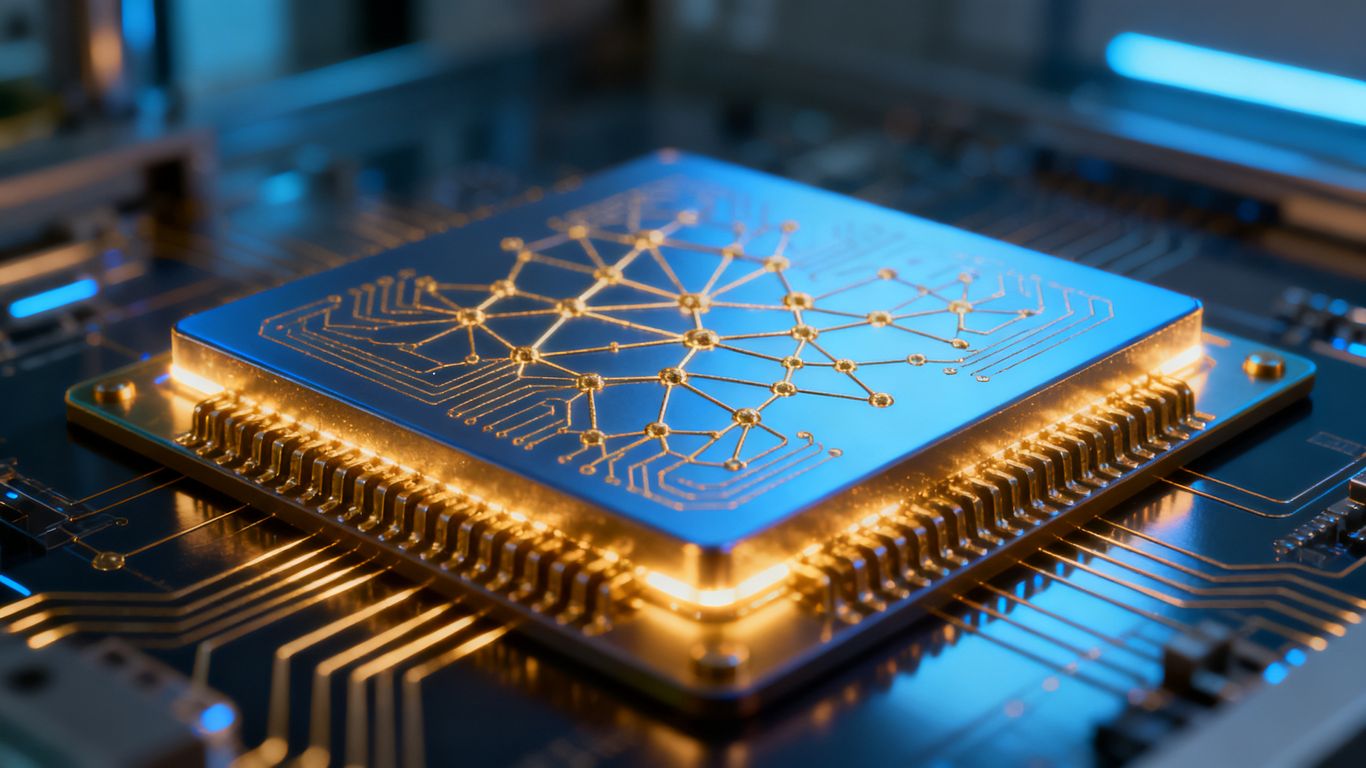

South Korean technology giant Samsung Electronics has unveiled a staggering preliminary earnings report, projecting a 1,810% surge in operating profit for the second quarter of 2026. Driven by an intense global demand for artificial intelligence memory chips, this 19-fold increase reflects a structural shift in the semiconductor market that has seen prices climb as supplies remain constrained.
Key market highlights
- Operating profit is estimated to reach 89.4 trillion won ($58.4 billion), despite significant provisions for employee bonuses.
- Quarterly revenue is projected at 171 trillion won, representing a 129% year-on-year growth.
- High-bandwidth memory (HBM) and enterprise server DRAM have become critical bottlenecks in the global AI hardware landscape.
- Despite the financial success, investor sentiment remains mixed, leading to a temporary decline in share prices on the Seoul stock exchange.
The artificial intelligence memory supercycle
The current explosive growth in the semiconductor sector is rooted in the unprecedented requirements of hyperscale cloud providers and AI data centres. As firms like Nvidia and Google accelerate their AI infrastructure projects, the demand for sophisticated memory components has outpaced production capacity. This imbalance has created a pricing environment where companies can command significantly higher margins, significantly impacting total revenue.
Industry analysts at IDC have noted that this demand cycle is distinct from any previous industry trends, predicting that supply will remain tight throughout the coming year. To meet this challenge, regional governments, including South Korea, have pledged substantial financial support to bolster semiconductor manufacturing capacity.
Investor reactions and market paradox
Despite announcing record-breaking returns, Samsung experienced a paradoxical decline in its share price by roughly 7% to 10% following the guidance disclosure. This reflects a "buy the rumour, sell the news" scenario, as institutional investors weigh the current gains against concerns over the long-term sustainability of capital expenditure budgets in the big tech sector.
| Metric | Estimated Q2 2026 Performance |
|---|---|
| Operating Profit | 89.4 trillion won |
| Revenue | 171 trillion won |
| Profit Growth | ~1,810% (19-fold) |
| Year-on-Year Revenue Growth | 129% |
Looking ahead, market participants are waiting for the finalized and audited financial statements, which the company is scheduled to release on 30 July. These detailed reports are expected to provide further clarity on how individual divisions, such as mobile hardware and semiconductor solutions, managed their respective costs during this period of high component pricing.