
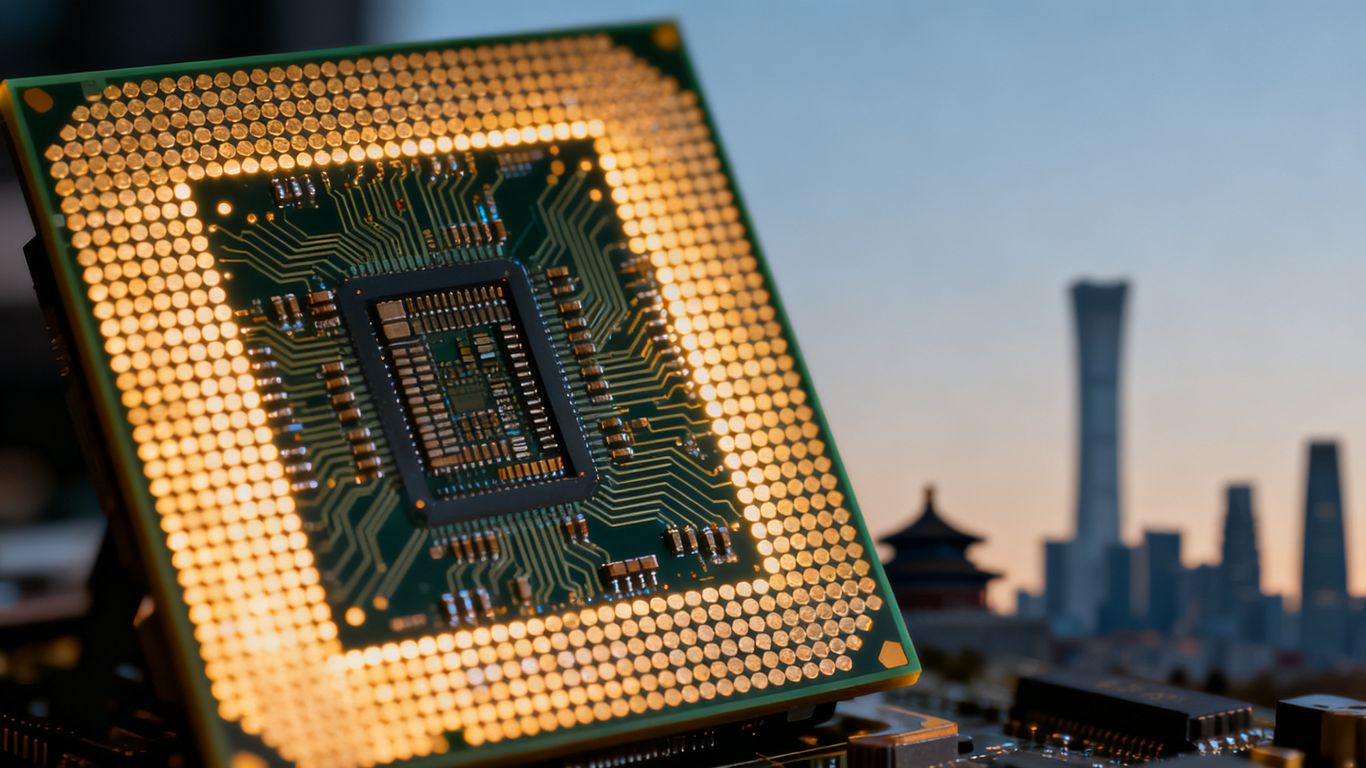

Chinese regulators are currently exploring more stringent export controls on advanced artificial intelligence models and semiconductor technologies. The Ministry of Commerce has initiated consultations with leading domestic technology firms, including Alibaba, ByteDance, and Huawei, to discuss methods of limiting overseas access to critical AI training data, model weights, and proprietary chip designs, marking a significant escalation in the nation’s technology protection strategy.
Key takeaways
- Beijing is evaluating new export restrictions to prevent the outflow of advanced AI capabilities and semiconductor intellectual property.
- Proposed measures include limiting foreign access to AI training data and model weights, which are essential for reproducing sophisticated systems.
- Regulators are considering restrictions on foreign foundries producing semiconductors based on Chinese designs.
- The move reflects a broadening of the US-China technology rivalry, now encompassing software and algorithms alongside traditional hardware.
A shift in strategic focus
Chinese authorities have increasingly begun to view frontier artificial intelligence as a vital national asset. By engaging with major tech companies, the Ministry of Commerce aims to develop a comprehensive framework that prevents the leakage of strategic intellectual property to foreign competitors. This approach mirrors the restrictive policies previously adopted by the United States, signalling that Beijing is prepared to treat intangible AI assets with the same level of scrutiny as physical semiconductor manufacturing equipment.
Protecting intellectual property and model weights
Central to these discussions is the protection of model weights—the numerical parameters that define how an AI system functions. By restricting the ability of foreign users to download these weights, China hopes to prevent international developers from fine-tuning or replicating sophisticated systems without undergoing the costly and time-consuming training process. Furthermore, regulators are examining the security implications of agentic AI, which can autonomously perform complex tasks, and are seeking to ensure that such capabilities do not leave the country through foreign partnerships or acquisitions.
Escalating the global technology rivalry
The potential implementation of these controls represents a major shift in the ongoing tech war between Washington and Beijing. While the United States has focused on limiting China’s access to high-end chips and lithography equipment, China’s latest proposals suggest a more proactive stance. By targeting semiconductor design and AI software, Beijing intends to secure its indigenous innovation ecosystem. If enacted, these measures are expected to further fragment global technology supply chains, potentially leading to the emergence of distinct, competing AI and semiconductor ecosystems led by the two superpowers.