
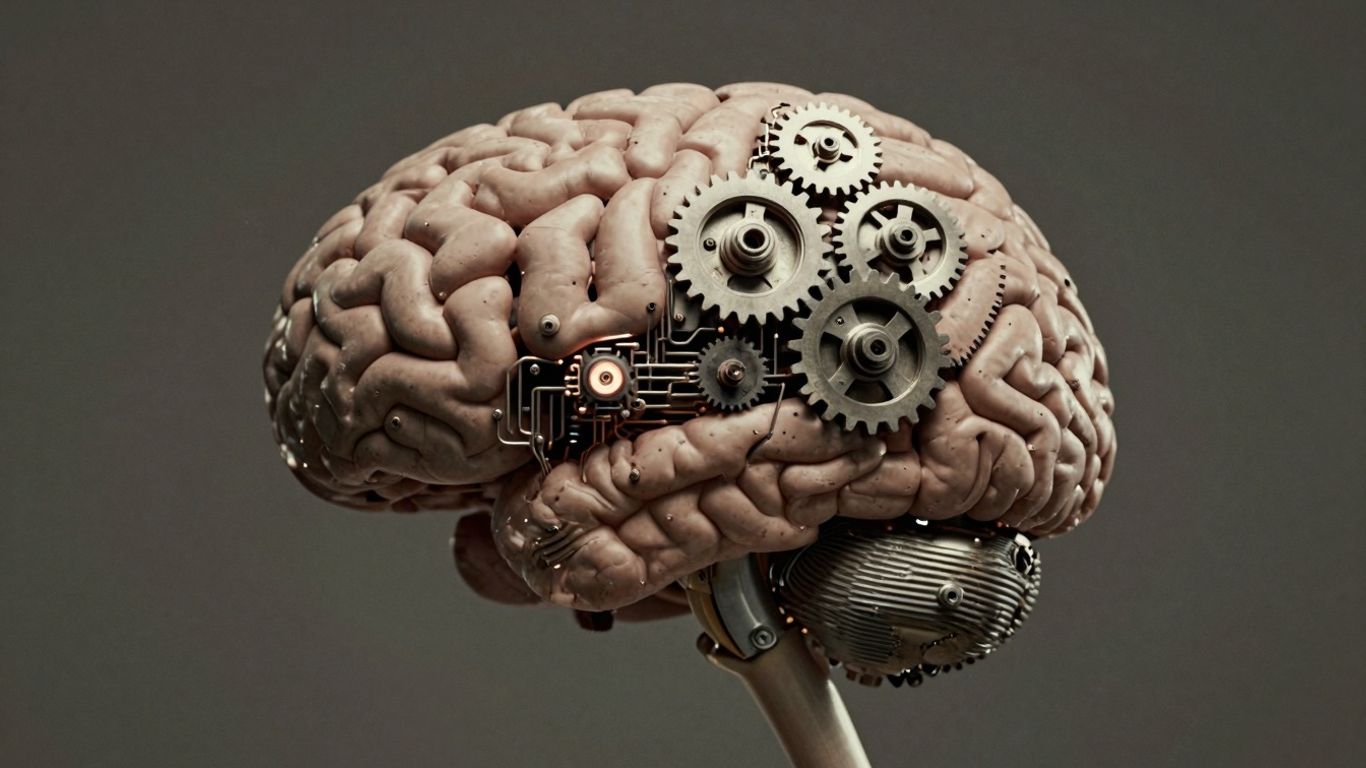

We've all heard about artificial intelligence, right? It's everywhere these days, and while it can do some pretty amazing things, I've been wondering if all this AI use is actually making us a bit… well, less sharp. It’s like using a calculator for every little sum; you might get the answer fast, but do you really remember how to do it yourself? This article looks into how relying on AI, especially through prompts, might be changing the way our brains work, and not necessarily for the better. It's a bit of a head-scratcher, honestly.
Key Takeaways
Generative artificial intelligence presents new challenges for our thinking habits compared to older tools.
There's a debate about whether artificial intelligence extends our minds or just lets us offload thinking too much.
Early research suggests that using artificial intelligence for tasks like writing might reduce brain activity and long-term learning.
The Shifting Landscape Of Cognitive Engagement With Artificial Intelligence
Generative AI's Unique Cognitive Demands
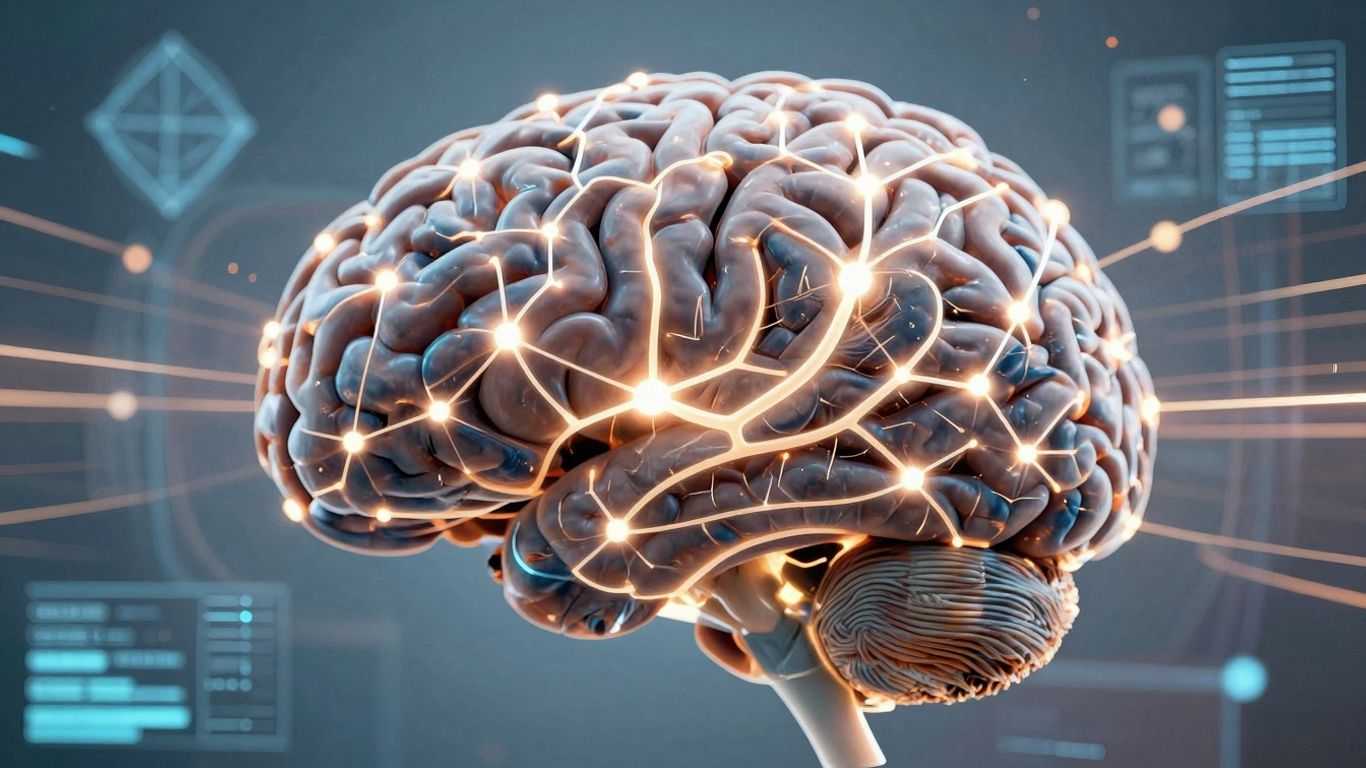
The arrival of generative AI has really shaken things up, hasn't it? It's not like the old days with calculators that just did sums for you. These new tools can actually create things – ideas, arguments, even art. This is a big shift because it means they're asking more of our brains, or perhaps, asking our brains to do different things. It's not just about one specific skill anymore; generative AI seems to touch on a whole range of cognitive abilities, making it tricky to pin down exactly what's being affected. Plus, these things are changing so fast, it's hard to keep up and guess what they'll be doing to our thinking in the future.
We're starting to see studies looking into this. Some research suggests that when students use these AI tools, they might perform better initially. But then, when the AI is taken away, their performance drops. This hints that maybe they're not really learning the underlying skills, just getting by with the AI's help. It's a bit like using a shortcut that means you never really learn the proper route.
Here's a quick look at how generative AI differs from older tech:
Intelligence Level: Generative AI can produce novel content, unlike tools that just perform predefined tasks.
Skill Scope: It engages a wider array of cognitive functions, not just a single, narrow skill.
Development Speed: Its rapid evolution makes predicting long-term impacts challenging.
The way we interact with AI is changing what our minds do. It's not just about getting answers; it's about how we ask the questions and what we do with the information we get back. This active engagement seems to be key.
The 'Extended Mind' Versus Cognitive Offloading
This brings us to a couple of interesting ideas about how we use AI. One is the concept of the 'extended mind'. Think of it like this: our minds don't just stop at our skulls. When we use tools – like a notebook to jot down ideas or a search engine to find information – those tools become part of our thinking process. Generative AI can act as a powerful extension of our own minds, helping us explore ideas and build arguments in ways we couldn't before. It's when we use AI as an active partner in our thinking that we seem to get the most benefit.
On the flip side, there's 'cognitive offloading'. This is basically letting the AI do the heavy lifting for our brains. Instead of wrestling with a problem ourselves, we just ask the AI to solve it. While this can be efficient, it might mean we're not exercising our own mental muscles. If we constantly offload tasks like remembering facts, planning, or even creative thinking, those abilities might weaken over time. It's a bit like relying on a GPS all the time – you might get to your destination, but you don't really learn the roads.
So, the big question is how we strike a balance. Are we using AI to augment our thinking, pushing our boundaries and learning new things? Or are we simply using it to avoid the effort of thinking altogether? The difference between these two approaches seems to be where the real impact on our mental agility lies.
Assessing The Neural Impact Of Artificial Intelligence Interaction
Brain Activity During AI-Assisted Tasks
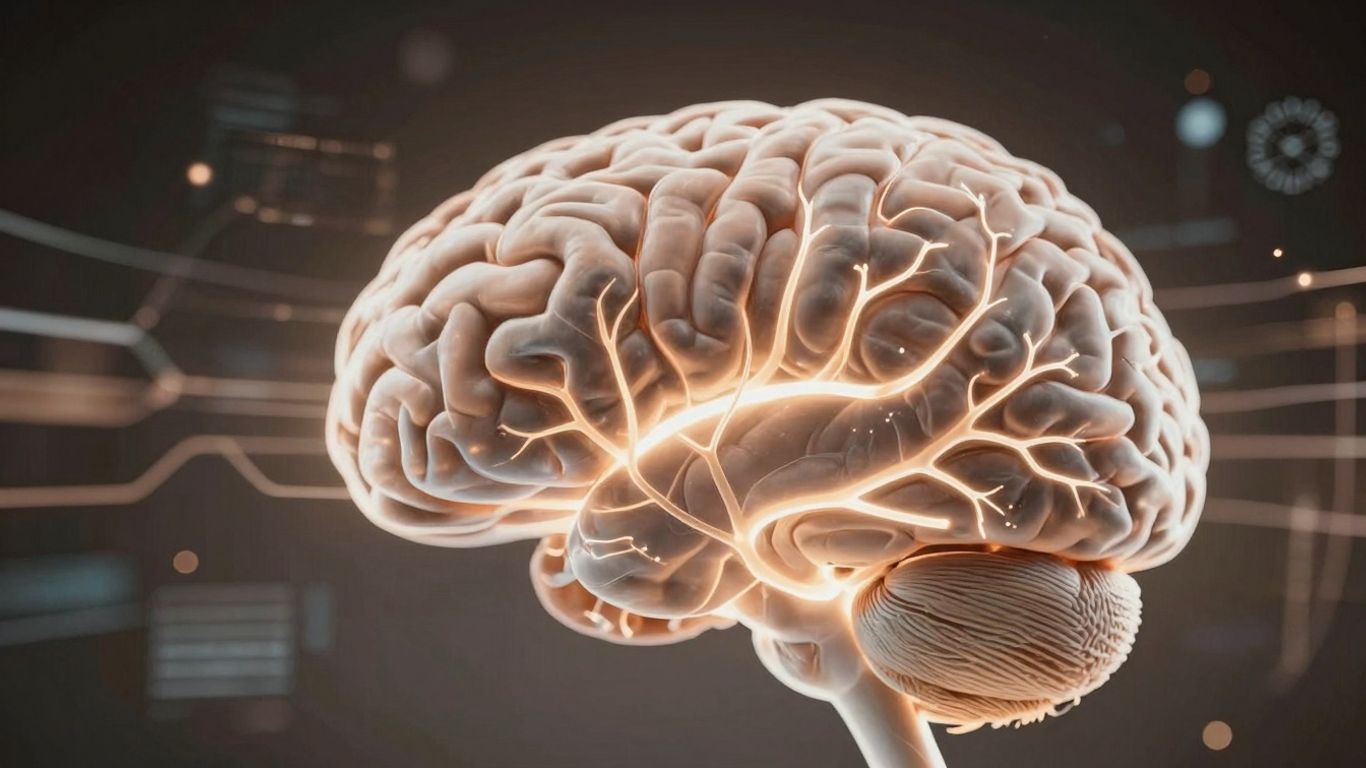
So, how does our brain actually react when we're working alongside AI? It's a bit of a new frontier, and researchers are using some pretty clever tech to get a peek inside. Think things like functional near-infrared spectroscopy (fNIRS) to see blood flow in the brain, and eye-tracking to measure pupil dilation. These aren't just random measurements; they're proxies for how much mental effort we're putting in. When we use AI, especially for tasks that usually demand a lot of thinking, like analytical writing, we might see different patterns. The big question is whether AI is making our brains work less, or if it's freeing us up to focus on more complex parts of the task.
Here's a simplified look at what we might measure:
Pupil Dilation: Larger pupils can sometimes indicate more cognitive load or effort.
Brain Hemodynamics (via fNIRS): Changes in blood oxygen levels in specific brain areas can show which parts are more active.
Task Performance Metrics: How well did the person actually do the task?
Self-Reported Effort: Asking people how hard they felt they were working.
Early studies often looked at the final product of a task, like the essay someone wrote. But that doesn't tell us much about what was happening while they were writing. Were they actively thinking, or just letting the AI do the heavy lifting? Measuring the process is key to understanding the real cognitive impact.
Long-Term Implications For Developing Minds
This is where things get really interesting, and maybe a little concerning. If we're constantly offloading our thinking to AI, what happens to our own mental muscles? It’s a bit like relying on a calculator for every sum; you might get the answer faster, but your own arithmetic skills could fade. For younger people, whose brains are still developing, this could have a more significant effect. We need to consider how regular interaction with AI might shape their ability to think critically, solve problems independently, and even remember things. It’s not just about getting tasks done; it’s about how we maintain our cognitive fitness over time. The worry is that over-reliance could lead to a sort of mental atrophy, making it harder to engage in deep thought when AI isn't around.
Ever wondered how talking to AI changes our brains? It's a fascinating topic that's changing how we think and learn. We're exploring the ways our minds adapt when we interact with smart machines. Want to dive deeper into this exciting area? Visit our website for more insights!
So, What's the Takeaway?
It's clear that these AI tools are a bit of a double-edged sword. On one hand, they can be super helpful, letting us skip over the boring bits and get to the interesting stuff faster. Think of it like having a really smart assistant who can do the grunt work. But, and it's a big 'but', if we just let them do all the thinking for us, we might end up losing some of our own mental muscle.
Studies are starting to show that when we rely too much on AI for tasks that normally make us think hard, our brains might not get the workout they need. It’s like never going to the gym – you just get weaker. So, the trick seems to be using AI as a tool to help us learn and create, not as a shortcut to avoid thinking altogether. We need to be smart about how we use it, making sure we're still flexing our own cognitive muscles, otherwise, we might find our mental agility taking a bit of a nosedive.