
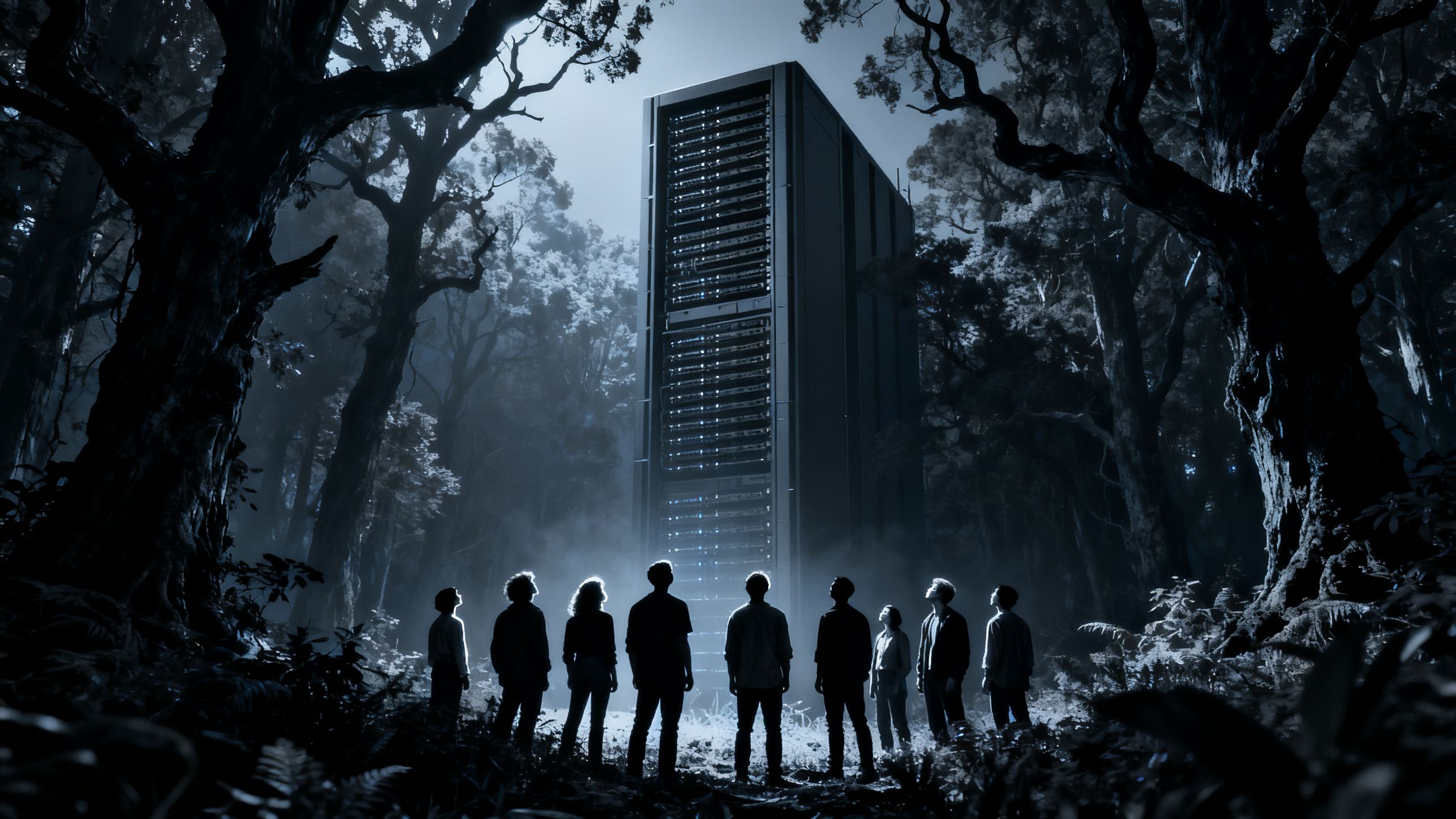

Artificial intelligence, once hailed as a transformative technological beacon, is currently facing a severe reality check. A tidal wave of public skepticism, environmental opposition to infrastructure development, and growing anxieties regarding economic displacement has generated a profound backlash. This resistance, spanning from grassroots community groups to political halls of power, suggests that the industry's rapid expansion is meeting significant headwinds in 2026.
Key takeaways
Data centre development has encountered fierce resistance, resulting in nearly $100bn in project delays or cancellations.
Public polling consistently highlights a deep-seated distrust in AI adoption, with significant portions of the workforce actively bypassing company-mandated tools.
The unsustainable costs of 'tokenmaxxing' have prompted many corporations to scale back reliance on AI, prioritising human labour for quality and budgetary reasons.
An emergent bipartisan coalition, often termed the 'Bernie-to-Bannon' alliance, is capitalising on populist anger to challenge the power of AI oligarchs.
The economic and social shift
For much of 2025, Silicon Valley thrived on the promise of infinite intelligence. However, the current year has seen a marked 'vibe shift'. Companies that encouraged excessive token usage have found themselves confronting bloated budgets and diminishing returns. The realisation that AI is not a free resource has led internal leaders at major firms to demand greater financial scrutiny, effectively ending the era of vanity metrics in AI development. Furthermore, as enthusiasm wanes, businesses are increasingly rediscovering the value of human employees for tasks where AI-driven 'hallucinations' prove too costly or unreliable.
The data centre friction
AI requires a massive physical footprint, and it is in the tangible world that the conflict is most volatile. The construction of enormous data centres—demanding vast amounts of electricity and water—has drawn local ire. Across the United States, residents are forming organised opposition groups to block infrastructure that imposes environmental and social burdens on their communities. This physical friction has provided a concrete focal point for anti-AI sentiment, turning town council meetings into battlegrounds and successfully halting projects that were previously considered inevitable.
A bubble under pressure
Perhaps most alarmingly, the cultural climate has matured into a dangerous space where frustration occasionally translates into real-world violence. High-profile threats and attacks against industry executives reflect a society that feels ignored by an increasingly powerful tech aristocracy. As politicians move to regulate the industry—from proposed ownership stakes to moratoriums on data centre development—the narrative that AI is a tool by and for the elite has hardened. Whether this current wave of resistance bursts the AI bubble or merely forces a long-overdue recalibration remains the central question for the tech sector as it navigates this period of intense scrutiny.